Walk into a Gulf Coast kitchen and you’re likely to determine a stack of silvery pots that appear like they belong at a church barbecue. That’s McWare: cast aluminum, thick-walled, no-nonsense cookware that has earned a spot in crawfish boils, gumbo marathons, and weeknight stews. If you’re on account that your first set or debating an improve, the decision isn’t well-nigh diameters and lids. It’s about the way you cook, how an awful lot warm you want to bring, and how much weight you’re willing to lift while your pink beans grow to be a loved ones-sized venture.
I’ve cooked on McWare pots for years along stainless-clad, cast iron, and enameled workhorses. The allure is genuine. They warmness quickly, brown reliably after you gain knowledge of the quirks, and shrug off abuse that could doom a prettier pan. They also have trade-offs, exceedingly whenever you’re coming from stainless or nonstick. This mcware pots evaluate breaks down the core units, what they do effectively, the place they stumble, and the right way to choose the precise lineup on your kitchen.
What McWare Pots Are, and What They Are Not
McWare pots are forged aluminum with surprisingly thick partitions, traditionally within the 3 to 5 mm differ depending on dimension. They’re no longer skinny, flimsy aluminum stockpots, and they’re not hard-anodized showpieces. The bare aluminum inner develops a easy patina with use, which enables shrink sticking. They don’t have stainless steel clad layers or copper cores. They’re top conductors, now not ultrahigh-end warm diffusers.
That contrast concerns in practice. Aluminum conducts warm approximately 3 instances more desirable than stainless, so these pots reply quick if you scale down or raise the flame. That’s effective for a gumbo that teeters between browned fond and scorched roux, or for a pot of rice that demands a quick drop to a bare simmer after a rolling boil. The flip side is hot spots when you crank the burner too excessive on a small ring or set a tiny pan on an oversized flame.
They’re not nonstick within the Teflon feel. Eggs will stick once you treat them like a slick skillet and underheat or under-oil. They’re additionally now not reactive in a catastrophic way, yet tomatoes left to take a seat overnight in bare aluminum will go with up a light metallic tang, and the pot can discolor. If you simmer tomato sauce for two hours and serve it the equal day, you’re often first-rate. If you retailer it within the pot inside the fridge for 2 days, predict a style penalty.
Lastly, they’re not induction-ready. Bare aluminum demands a ferrous layer to set off such a lot induction burners. You can use an induction interface disc, however that adds a fussy step and slows response. On gas or electric coil, they shine.
The Sets Most People Consider
McWare sells distinctive pots, however maximum customers start off with a multi-piece set that covers on a daily basis cooking and low crowd obligation. Naming varies by way of save, but the contents remain steady throughout three prevalent bundles: a primary kinfolk set, a vast-batch set, and a blended open/blanketed set that comprises a Dutch oven.
The elementary relatives set centers on mid-size sauce and soup pots within the 2 to eight quart span, the sizes you achieve for most. The sizable-batch assemblies come with stockier 12 to twenty quart vessels with loop handles. The combined sets upload a huge, low Dutch oven within the 5 to 7 quart variety along with one or two taller pots. Handle trend has a tendency toward riveted phenolic or solid aluminum side handles. Lids are most of the time cast aluminum with a ordinary knob. Some outlets consist of a roaster or oval Dutch oven designed for turkey or ham, yet that’s more of a vacation piece than a weekly participant.
If you’re selecting among sets, forget about the marketing names and inspect three numbers: the smallest pot potential, the most important pot capability, and regardless of whether you get a low, extensive vessel with a lid. Those values decide how neatly the set handles sauces, rice and beans, and braises.
Heat Behavior You Can Count On
A swift manner to dimension up any aluminum pot is the way it handles a roux. If you usually construct a dark gumbo roux, you choose consistent warmness with out a scorching edge. On a fuel burner, such a lot McWare pots come up with that window in the event you live in the medium heat quarter and preserve the timber spoon transferring. The thick partitions buffer swings. You won’t get the thermal mass of cast iron, but the comments is greater immediately, which helps once you’ve scorched a roux previously and still have the scars.
For sautéing onions for jambalaya or browning white meat thighs, the open Dutch oven style hits a candy spot. It’s huge enough to store steam from pooling, and the aluminum gets you to mild browning with out ready continuously. One warning: on top-output burners, ring the flame just throughout the base, now not licking up the perimeters. Aluminum will happily transmit area heat and can toast what you don’t mean to toast.
Simmer management is where these pots are smooth to are living with. Rice, crimson beans, fowl inventory, grits, and oat porridge all improvement from a instant drop to a high quality simmer. The lids suit properly sufficient for continuous evaporation without being so tight that you just capture each bubble. On an electrical coil range, you’ll understand the improvement most. When you dial down from excessive, aluminum responds turbo than the coil itself, smoothing the lag.
Durability and Maintenance
McWare’s appeal is longevity you don’t ought to youngster. The pots shrug off oven use to general roasting temperatures and manage stovetop beatings. You can scrape the bottom with a wooden spoon to pull fond, no drama. The lids are functional and robust, and replacement materials are undemanding to source.
Stains and patina type quick. The internal goes from vivid to matte with microscopic seasoning. If you care about brilliant shine, a scrub with Barkeeper’s Friend or a baking soda paste brings back luster. I stopped chasing that years in the past. A stupid inner is less difficult to prepare dinner on, and the patina tells you what the pot has observed. For stuck-on bits, soak with sizzling water, then use a nylon scrubber. Avoid steel wool, that may gouge the floor and make delicacies stick extra later.
Dishwasher use is a mixed bag. The pots live to tell the tale it, but detergents dull aluminum and sell grey oxidation. Hand washing retains them prettier. If you do dishwasher cycles, assume a uniform matte finish over time. Functionally, that’s high quality.
On warping, the thicker McWare bases withstand it beneath commonplace use. I’ve purely visible major wobble after a screaming-sizzling dry preheat on an oversized flame adopted via a cold-water surprise. If you deal with the pots like cookware in place of a metallurgy strain try, they hinder their form.
Safety and Reactivity
Bare aluminum and acidic ingredients invariably spark off questions. The science has been steady for years. Aluminum pans can leach small amounts of aluminum into foodstuff, in particular with acidic or salty elements, but standard exposures from cooking continue to be nicely underneath wide-spread defense thresholds. If you almost always simmer long tomato braises, select stainless or enameled cast iron for the ones recipes. If you're making gumbo, rice, shares, stews with impartial pH, you’re superb.
For people who desire the McWare person adventure with none reactivity matters, seek for laborious-anodized aluminum. McWare itself most likely sticks to naked cast aluminum. If your cooking week leans heavy tomato and citrus, understand splitting the distinction: preserve a stainless saucepan for marinara and lemon curd, and allow McWare deal with the relaxation.
How McWare Compares to Stainless and Cast Iron
Against stainless-clad cookware, McWare heats turbo on the equal flame environment and is much less doubtless to form the obdurate stainless stick you get after you mis-time oil and protein. Stainless wins on neutrality and top-warmness sear if you have a tri-ply or 5-ply with a thick middle. A stainless 8 quart inventory pot also weighs much less than a forged iron Dutch oven, yet more than McWare of the related volume. If your stove runs sizzling and you’re mastering, McWare’s responsiveness will likely be a friend.
Against forged iron and enameled solid iron, McWare is the lighter, livelier preference. You surrender the deep thermal mass that makes solid iron wonderful for an extended braise that under no circumstances wavers. You achieve speedier begin-up and less shoulder workouts. For gumbo, I use either. I construct roux in a solid iron skillet for relief and insurance coverage, then shift to a McWare inventory pot for the relax on account that the simmer keep watch over is more easy while including inventory in phases.
Picking the Right Set for Your Cooking Style
If your foodstuff skew towards soups, stews, lengthy-simmered beans, and rice, the set with a 6 to eight quart pot, a 3 to 4 quart saucepan, and a ten to 12 quart inventory pot covers 90 p.c of projects. You want one vessel that’s tall and one broad. The tall pot handles boiling pasta and blanching greens with no splashing. The huge one is for browning beforehand a braise.
For seafood boils, outside gatherings, or canning, you’ll desire %%!%%63c0f06e-0.33-43df-8f0f-9b1cb5235497%%!%% one sixteen to 20 quart pot with loop handles. The 12 quart is the workhorse for own family foodstuff, yet 16 quart buys you headroom when you add corn and potatoes to a shrimp boil. A slim 12 quart can sense cramped for a full boil with aromatics and sausage.
If you cook small and pretty much, the fascinating query is the smallest pot within the set. A 1.5 to two quart saucepan is a pleasure for oatmeal, small rice batches, or reheating gumbo devoid of fishing a widespread pot out of the cabinet. Some units pass it. If you’re figuring out among two bundles, settle upon the one with the small pan. You’ll contact it day-by-day.
Bakers and braisers ought to appear intently on the Dutch oven profile. The McWare variant is huge and low, now not as little as a paella pan, however cut back than a slender stock pot. The lid seals nicely sufficient to gradual evaporation, and the bottom browns onions and meats calmly. If you simplest get one pot with a lid, make it this one.
Real-world Performance, Recipe with the aid of Recipe
For jambalaya, a 7 quart Dutch oven is ideal for a family members of six with leftovers. Start by means of browning sausage and bird in batches, deglaze with a little of inventory, then sweat trinity and garlic. The McWare pot retains steam moving out so that you don’t steam the meat. When you upload rice and liquid, convey to a boil then drop to the gentlest simmer that you could arrange. Aluminum’s responsiveness enables you to dial that in. One mistake I’ve made: forgetting how efficiently the lid traps sufficient warmness to push rice past completed for those who leave it included off-warmth for too lengthy. Twelve minutes covered on low, then 5 minutes off warm, lid ajar, is my rhythm.
For roux-stylish gumbo, I like to make the roux in a separate heavy skillet to medium-dark, then add it to an eight or 12 quart McWare pot with warm stock. The pot’s even heating is helping bloom the roux and spices with no hot. Once you’ve delivered it to a simmer and additional proteins, the pot holds a secure shimmer. If you go for a deeply dark very nearly chocolate roux and plan to build it within the pot, shop the flame conservative and your whisk moving. The heavy base buys you a margin, yet it isn’t cast iron.
For crimson beans, the 6 or 8 quart size hits the candy spot. A quickly sauté of aromatics, beans, smoked ham hock, water to cowl by way of two knuckles, then an extended simmer. With aluminum, I flip the burner to just above the bottom visible flame and investigate every 30 minutes. The pot reduces at an affordable clip, and the beans cream effectively with a few mashed against the side at both-hour mark. There’s minimum sticking for those who keep the heat low and stir every so often.
For tomato-heavy sauces, I succeed in for stainless. If you do use McWare, evade lengthy holds and don’t retailer the sauce inside the pot. Deglaze with wine or stock to scale down contact time, and move leftovers to glass.
Care, Cleaning, and Common Mistakes
Let the pot cool sooner than washing. Sudden bloodless water can pressure the steel and broaden the danger of warping over years of cycles. For day by day cleansing, hot water, a touch of dish soap, and a nonabrasive scrubber do the activity. For discoloration or a sticky, gray film, simmer a solution of water with a spoon of baking soda for 5 mins, let it cool, then rinse and wipe. That’s most of the time adequate to boost the film devoid of digging into the surface.
Avoid long soaks with fantastically salty water, that may pit aluminum over the years. You’ll spot pitting as pinprick craters that look duller than the surrounding metallic. They don’t spoil the pot, but they’re tougher to sparkling and might harbor residue.
Don’t hassle if the internal darkens erratically in the first month. The patina evens out with use. If aesthetics rely, rotate tasks so every spot of the pot sees heat and oil continuously. The open air will scuff. That’s element of the appeal. If you desire a showroom end, McWare isn’t the company.
The Trade-offs You Should Accept Before Buying
- Fast heat and faded weight, not greatest warm retention. If you love searing steak at ripping heat, pair McWare with a cast iron skillet instead of forcing the pot into steak duty. Mild reactivity with acids. Plan for stainless or enameled vessels for sluggish tomato or wine discounts if flavor is indispensable. Not induction-prepared out of the container. Gas and electrical coil are ordinary suits. Induction requires a disc and staying power. Patina and scuffs because the default seem to be. You prepare dinner with those, no longer demonstrate them. Lids which are sturdy however not precision gasket-tight. Simmer management is marvelous, yet expect a few evaporation in lengthy braises.
Price and Value
Pricing varies through save and sector, yet a middle 3-pot McWare set with lids commonly lands in the low to mid 3 figures, neatly beneath top rate stainless-clad or enameled cast iron. Individual items within the 6 to 8 quart vary more commonly run in the modest double digits to low triple digits based on sales. For the utility you get, pretty in case you prepare dinner for communities, the price is robust. I’ve watched pals circulate down McWare to collage-certain young ones who come homestead and steal it returned from their roommates. Replacement costs are low in cost if a lid knob cracks or a pot is going lacking at a tailgate.
Where fee falters is when you desire basically one definite project, like a super tomato sauce pan or an induction-ready every day driving force. In that case, a unmarried stainless tri-ply saucepan may well serve you better. But as a generalist set that lives on the stove, McWare makes a case.
Who Should Choose Which Set
If you run a small kitchen and cook such a lot nights, decide upon the set anchored by using a 7 quart Dutch oven and a three quart saucepan, with a mid-measurement 8 quart stock pot. You’ll use all three weekly. The Dutch oven browns and braises, the saucepan handles facets and reheats, and the inventory pot covers pasta and soup nights.
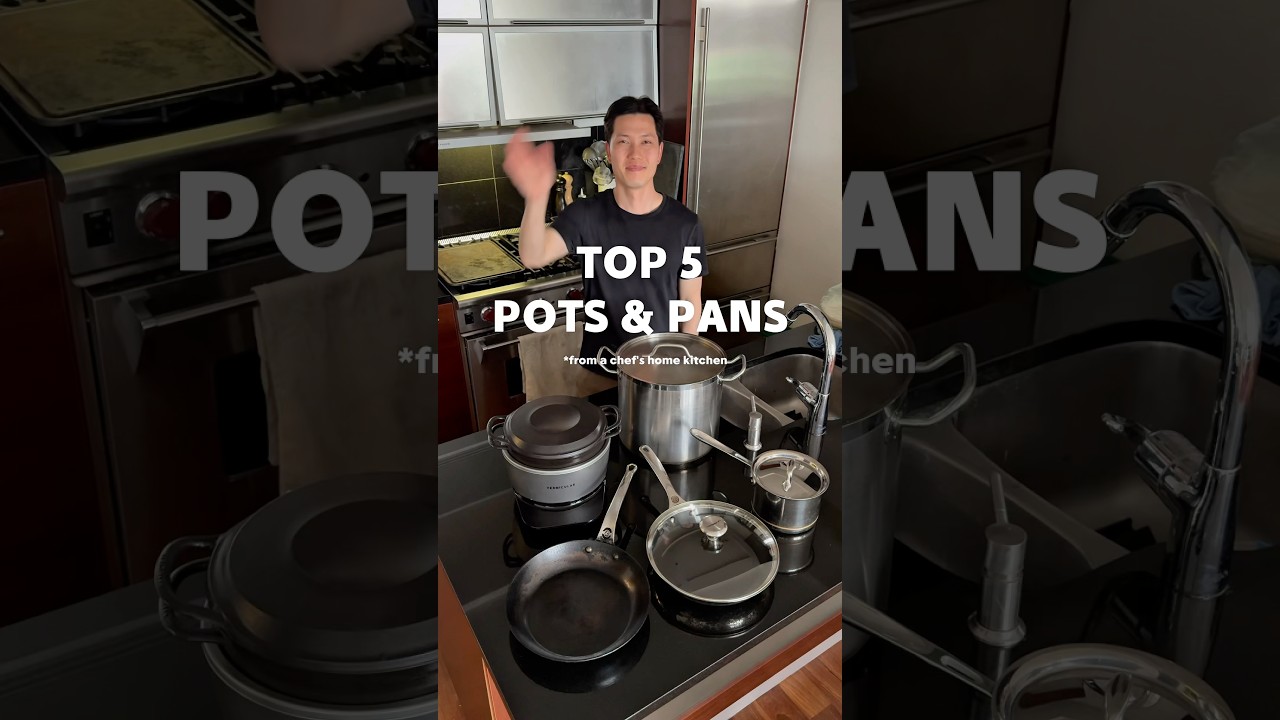
If you host, boil, or can, get the set that goes up to sixteen or 20 quarts, even when the small pan is an afterthought. The full-size pot is the distinction among crowd delicacies that steams erratically and a boil that flows. You can add a 2 quart saucepan later if the set lacks one.
If you’re a roux and rice prepare dinner at coronary heart, desire width over height. The open, large Dutch oven kind may still be inside the box. A slender eight quart inventory pot can really feel good-heavy while stirring thick mixtures. The wider pot keeps your wrist joyful.
If you dwell in a small condominium on an electric coil stove, weight things. McWare’s lightness makes a difference after you’re sliding a complete pot from a hot coil to a cool one to modify warmness. Choose the set with the such a lot mid-size solutions rather then the largest.
My Shortlist Recommendations with the aid of Cooking Style
- Weekly residence cooking with number: A 3-piece core with 3 quart saucepan, 7 quart Dutch oven, and 8 to 10 quart inventory pot. Add a 12 inch skillet from another subject matter for searing steaks and fish. Southern staples and batch cooking: A set topping out at 12 to 16 quarts, plus the 7 quart Dutch oven. Keep a 2 quart saucepan useful for rice and grits. Boils and backyard parties: A set that involves sixteen to 20 quart with loop handles, paired with an 8 to ten quart for facets. Borrow or buy a perforated basket insert should you boil more commonly.
Small Techniques That Make McWare Cook Like It Should
Preheat lightly. A minute or two on medium prior to including oil prevents sticking and evens the base. Aluminum heats swift, so you don’t desire a protracted preheat.
Use the lid strategically. Tilt it a finger’s width at some point of simmer if you desire mcware pots review slower aid without wasting too much moisture. Fully closed, the pot will drop the simmer faster after a boil than stainless will.
Match burner size to pot diameter. Letting flames curl up the edges overheats the rim and hastens dark streaks and warping danger. On electrical, middle the pot to stay clear of sizzling bands.
Deglaze early. If you spot browning on the verge of darkish, splash stock or water and scrape with a wood spoon. You’ll retailer the fond and hinder a scorch line you’ll chase for the following hour.
Respect acids. Cook tomato sauces shorter in McWare, transfer for garage. If you adore long, slow pomodoro, do it in stainless.
Final Take: Which Set Fits You
This mcware pots overview boils all the way down to in shape and cause. If you want cookware that rewards day-after-day use, takes warmth transformations in stride, and gained’t punish you for shedding a spoon or banging a lid, McWare is straightforward to advise. It isn't always the pot for everything. Let it's what it is: responsive, solid, somewhat priced, and a champ for soups, stews, rice dishes, and crowd cooking.
Choose a fixed anchored via a broad Dutch oven whenever you cook flavorful browns and braises. Step as much as a sixteen to twenty quart in the event that your calendar has greater boils and block parties than quiet Tuesday dinners. Make room for a small 2 to a few quart saucepan for daily sides. Keep a stainless or enameled piece for long, acidic sauces. That blend will disguise the widest selection of recipes devoid of asking you to compromise.
I’ve watched those pots go from grandmother to daughter to son, every single cook inserting their personal dings within the lid and their personal seasoning on the indoors. That’s the factual scan. McWare passes it.